
You know your childhood is affecting you.
Now you want things to change.
EMDR therapy for adults in Pennsylvania and Delaware

Do you…

Feel stuck in patterns you can’t fully explain?
Have painful memories from childhood that show up out of nowhere?
Feel anxious or constantly on edge?
Find it hard to trust others or feel safe in relationships?
Feel like you have it together on the outside, but feel worn down on the inside?
What if things could feel lighter and you could finally exhale?



You’re in the right place.
Something from your childhood still stays with you.
On the surface, your life may look put together, but certain moments, reactions, or feelings don’t quite make sense.
I help you work through those experiences so you’re not constantly overwhelmed, shutting down, or carrying everything on your own. You deserve to feel peace.

Specialties
Childhood Trauma

Not everything you carry started with you.
Some patterns were passed down, even if no one named them. They show up in your relationships, your boundaries, and how you handle stress.
I help you understand where they come from and shift them so they don’t keep repeating.

You’ve tried to move forward, but something still feels stuck.
EMDR helps your brain process what happened without going over everything, so those memories don’t feel as intense and you can move through your life with more ease.
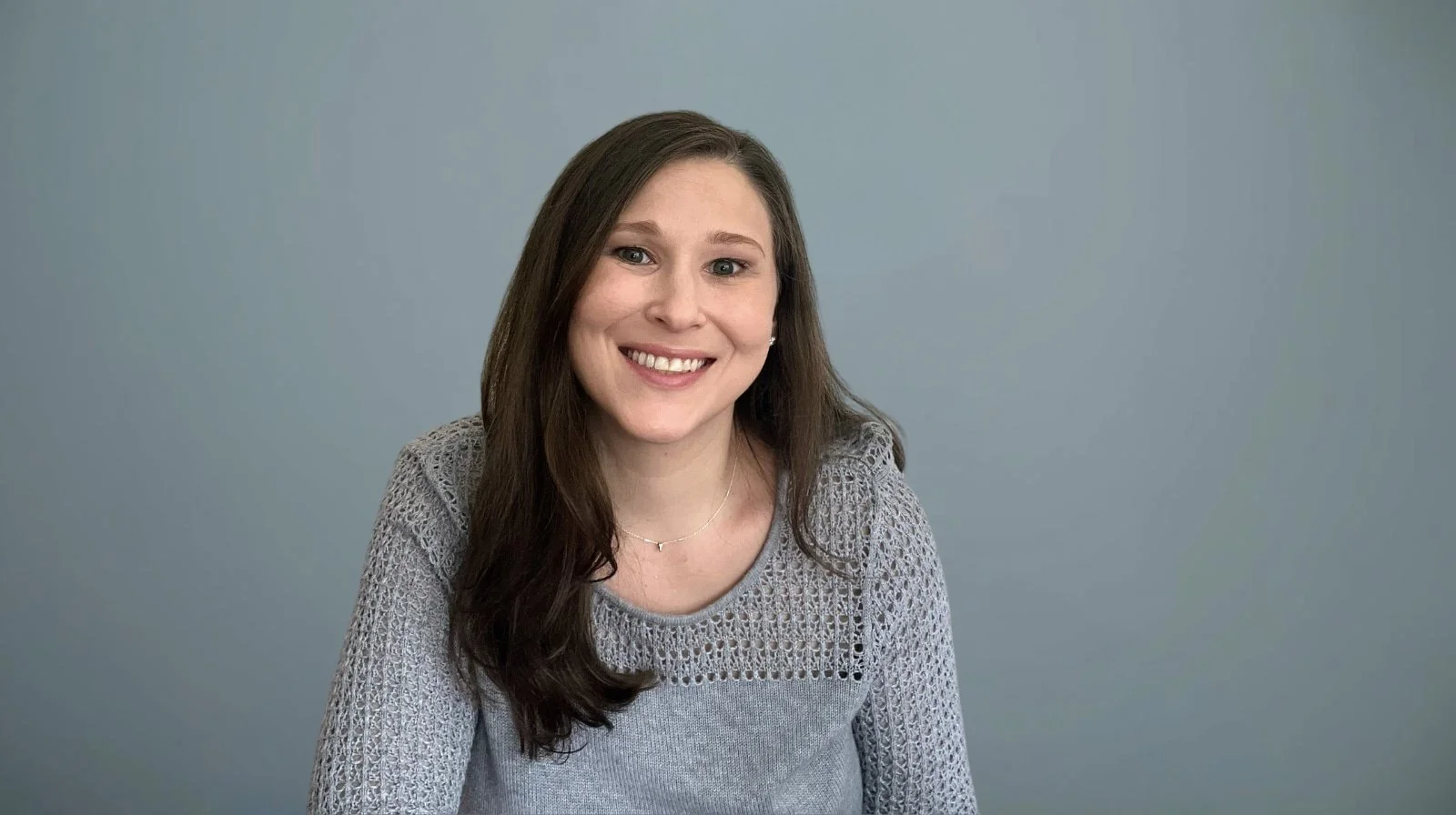
Hi! I’m Sarah.
I help folks heal from childhood trauma so they can feel more calm, connected, and confident in their everyday lives.
Therapy with me is holistic, brain-based, and deeply respectful of your story. Whether those experiences were obvious at the time or started affecting you later in life, we’ll move at your pace, one step at a time. If this resonates with you, I’d be glad to connect.
Getting Started
-

We Connect
First, schedule a free phone consultation by clicking “Schedule a Free Consultation” to see if it feels like a good fit. In our early sessions, I’ll get to know you as a person: your story, strengths, struggles, and what truly matters to you.
-

We Develop a Plan
We talk about what’s bringing you to therapy, what you’d like to be different, and where it would be most helpful to start.
-

We Work Together
From there, therapy is tailored to you and what’s coming up along the way. We check in regularly and adjust as needed.
FAQs


-
The free consultation is a chance for us to get to know each other and see whether we're a good fit. I'll give you space to share what's bringing you to therapy and what you're hoping will be different. I'll also share how I work, what you can expect from therapy, and answer any questions you have.
The call usually lasts about 20 minutes and is relaxed and conversational. You don't need to prepare anything beforehand. By the end of the call, you'll have a clearer sense of whether we're a good fit.
There's no pressure to commit during the call. If it feels like a good fit, we'll talk about the next steps. If it turns out I'm not the right therapist for you, I'll do my best to point you in the right direction.
-
Yes. Virtual therapy can be effective for trauma, PTSD, anxiety, and related concerns.
Many people find it easier to open up when they’re in their own space. I use a secure, HIPAA-compliant video platform to protect your privacy. One of the advantages of virtual trauma therapy is that you can create an environment that feels comfortable and familiar. Whether it's your favorite chair, a calming view, a soft blanket, or your pet nearby, those small details can support a greater sense of ease.
I provide virtual trauma therapy throughout Pennsylvania and Delaware, so you can access support without commuting or rearranging your entire day.
-
Some clients choose to work with me specifically for trauma-focused therapy, such as EMDR therapy, while continuing to see their primary therapist for other concerns like daily stress, relationships, or life transitions.
Keeping the work separate can allow you to focus more deeply on trauma processing without feeling overwhelmed. If you’re considering this approach, I encourage you to discuss it with your current therapist to make sure it supports your overall goals.
-
There isn’t a one-size-fits-all timeline. The length of therapy depends on why you’re seeking support and what you’d like to work through.
Some people come in with a specific concern and begin noticing changes within a few sessions. Others are navigating deeper trauma, PTSD, or long-standing patterns that developed over time, which can take longer to untangle.
Early on, we’ll talk about what’s bringing you in and what you hope life can feel like instead. We’ll check in regularly to make sure our work continues to feel useful and aligned with your goals.
You’re never locked into a set number of sessions. This is your space, and there’s no pressure to rush the process.
-
Therapy provides a structured, confidential space guided by clinical training and focused entirely on you.
Talking to someone in your inner circle can be incredibly helpful, and sometimes it’s exactly what you need. The people closest to you usually mean well. But even with the best intentions, friends and family can be biased. They might offer advice based on their own experiences, not yours. And sometimes that advice, even when loving, can leave you feeling misunderstood.
They may also struggle to fully hear you because what you’re sharing affects them too. Or maybe talking about your trauma feels complicated if they’re part of the story.
In therapy, you don’t have to manage anyone else’s reactions. You get a space that’s consistent, objective, and designed to support deeper healing.
-
Medication can be a helpful tool, especially when symptoms feel intense or interfere with daily life. For some people, it’s an important part of treatment.
At the same time, trauma affects the brain and nervous system, shaping how you think, feel, connect, and respond to stress. Medication can reduce symptoms, but it doesn’t process unresolved experiences on its own.
Trauma therapy focuses on working through those deeper layers. We address the protective patterns that developed, help your brain reprocess stuck experiences, and build skills that support long-term change.
If you’re already taking medication or considering it, we can talk about how it fits into your overall treatment plan.